
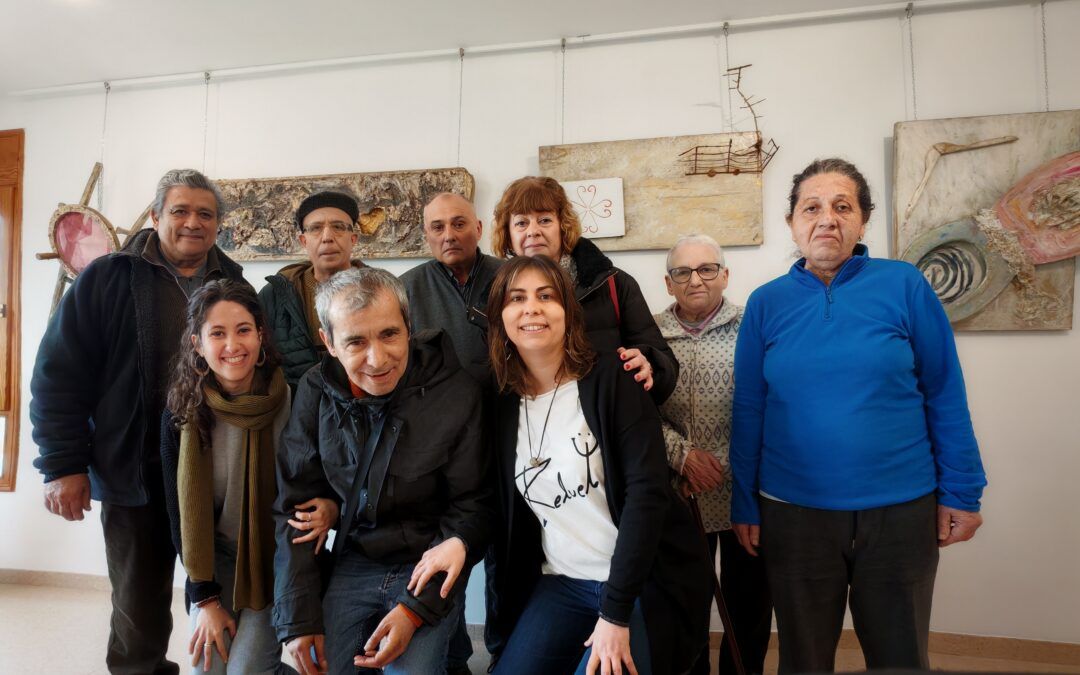
Discover how therapeutic art allows you to heal what words cannot. It is a powerful method for managing stress, fostering resilience, and finding your inner voice through creativity.
Do you want to transform your emotions into art? Read the full post and begin your journey of self-discovery!
What is therapeutic art and how to use it?
Therapeutic art is a professional discipline that uses creative expression to promote healing and emotional, mental, and physical well-being.
It does not require us to be artists; rather, it invites us to see materials (paints, clay, paper) as an alternative language through which to explore our inner world. The key lies in the process of creating, not in the aesthetic result, becoming a profound tool for self-knowledge.
Unlike a drawing class, art therapy has a clear emotional focus. In this space, the relationship is built around the creations and symbols that emerge.
This method is especially useful because it allows us to express and give shape to feelings, challenges, or conflicts that often become inarticulable or too overwhelming to be addressed with words alone.
The concept expands with creative artistic therapies, which include music, painting, dance, or theater. These diverse modalities offer us multiple avenues to externalize and materialize internal experiences.
By engaging in any form of art, we activate different areas of the brain, fostering the necessary introspection to integrate emotions and develop a more resilient perspective in the face of challenges.
To start using therapeutic art personally, it is important to create a safe space and allow for spontaneity, without judging what appears on the paper or clay.
It is advisable to begin with simple materials and focus on the action: What color do I need? What movement does my hand want to make? This act of permission is the first step toward emotional liberation.
Finally, the most transformative part is reflection. Once the artistic creation is finished, observe it with curiosity: What part of your story feels reflected there?
This conscious dialogue with the created object is what translates the artistic experience into learning and growth, illuminating our path toward greater inner understanding and strengthening our ability to overcome.
How is therapeutic art carried out?
Therapeutic art is conducted through a structured and flexible methodology, tailored to individual or group needs. Núria, as a resilient artist, guides the session, creating a safe and confidential environment.
The main goal is to use the artistic medium as a tool for communication and inner exploration, beyond traditional verbal therapy.
The process begins with an invitation to spontaneity, in which participants are encouraged to choose materials and create without aesthetic expectations.
This allows subconscious content to manifest in the work, using art therapy to externalize the current emotional state in a safe and controlled manner. Additionally, three fundamental steps are followed:
Creation and Free Expression
The first stage is total immersion in the artistic process, fostering free expression and non-censorship. The participant expresses their emotions or experiences in the material, allowing art to function as a first draft of their internal experience for therapy.
Observation and Symbolic Dialogue
After creation, a dialogue is opened. The professional helps the person describe their work, focusing on meaning rather than technique. Colors, shapes, and the methodology used are explored as symbols to help the individual become aware of the manifested emotional content.
Integration and Resignification
The final phase seeks to connect the artistic work with real life. The training of the artist or professional facilitates the integration of new understandings and promotes resilience. The participant finds new meanings in their challenges, seeing the work as a testimony to their capacity for transformation.
The therapeutic art session concludes with the closing of the process. The crucial thing is that the individual leaves with a new perspective on themselves. The accumulation of these experiences nourishes a deep and lasting emotional healing.
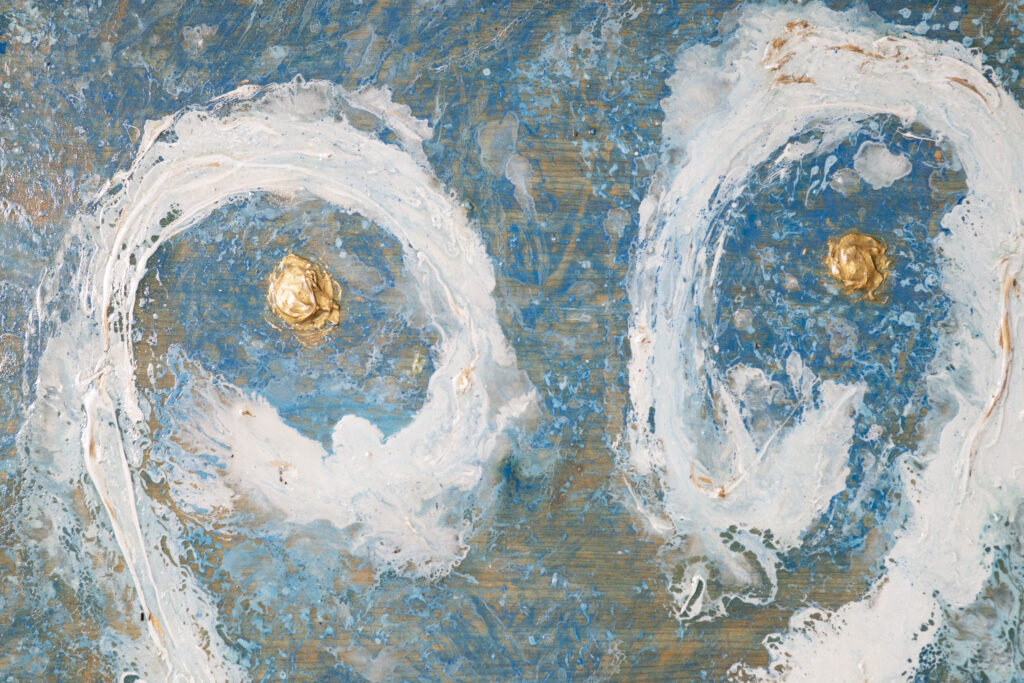
Who can benefit from art therapy?
Therapeutic art is a wonderfully inclusive discipline that offers benefits to practically anyone, regardless of age or artistic ability.
Its process focuses on personal expression, not on technique. It is a particularly valuable resource for those who feel that words are insufficient or fail them when it comes to addressing very complex experiences or emotions.
Art therapy is highly effective for individuals going through significant transitions, life crises, or grieving processes. It offers a safe and controlled way to manage stress, anxiety, or depression
By using a non-verbal methodology, individuals can externalize their emotional burdens, allowing them to approach and observe these feelings from a more comfortable emotional distance. Here are some groups who can benefit:
Children and adolescents: Emotional development
Children and adolescents are major beneficiaries, as artistic expression and play are their natural forms of communication.
This technique helps them develop essential coping skills, fosters healthy self-esteem, and improves emotional regulation.
It is the ideal channel to communicate fears and frustrations that would otherwise be repressed.
Adults and individuals with challenges: The path to empowerment
For adults, especially those who have faced intense emotional challenges, creative artistic therapies are a healing engine.
The creative process facilitates the release of emotions and the reorganization of difficult experiences in a safe environment. For this, one can work with artistic materials that promote self-discovery, helping to integrate the mind and body to regain control.
Older adults: Vitality and connection
Finally, older adults and those living with emotional difficulties find in art therapy a source of social connection and vitality.
It helps them maintain cognitive function, express pain, and combat loneliness. It is a dignified and creative way to reflect on the meaning of life. In summary, the invitation at Reluet is that art therapy is universal, serving as a gentle, profound, and effective pathway for self-discovery and emotional growth, providing a tangible route toward greater resilience.