
Would you like to experience a true personal transformation? You can begin by shaping your pain through resilient art, as it allows you to heal wounds deeply.
Therefore, you will experience immediate daily well-being as you achieve professional sovereignty. By continuing to read the blog, you will learn the steps to take to achieve self-leadership.
The path of self-leadership towards profound personal transformation
The concept of self-leadership is defined as the intrinsic ability to take control of our destiny, especially when external circumstances become adverse or turbulent.
Within the framework of transpersonal art, this skill involves learning to confront our own pain directly, ceasing to be passive victims of our life story. Far from hiding the wounds of the past, we are invited to use them as the essential raw material for inner evolution.
Under the inspiring guidance of artist Núria Companys Castro, we understand that every difficult experience is fertile ground awaiting conscious intervention. Suffering is not denied, but rather placed on the table to be observed with profound respect and compassion.
Therefore, the Reluet method emerges as a fundamental compass, proposing that the soul’s unique design is never erased by the destructive currents of oblivion. This philosophy teaches us to transform emotional breakdowns into a clear and luminous purpose that imbues life with new meaning.
The art of shaping pain for personal transformation
To understand this process of internal restoration, it is necessary to explore how traumatic experiences silently impact the body and psyche.
Personal transformation begins the moment we decide to stop avoiding suffering and start shaping it with our own hands. By artistically working on broken material, we project compassionate care onto those parts of our history that cry out for attention and acceptance.
To materialize this internal metamorphosis and give meaning to the scars, it is essential to go through the following five key stages of self-discovery:
The descent into vulnerability
The first step requires the individual to learn to inhabit their own shadows without making destructive value judgments about what they find there. Embracing vulnerability allows tears to flow freely and dissolve the rigid armor that froze the natural flow of energy.
Matter as a psychic mirror
Each damaged item we select to restore acts as a direct reflection of a fragment of our mind that demands to be heard.
A cracked cement block can symbolize old thought patterns, while rotten wood evokes emotional exhaustion. By altering the physical form of these objects, we simultaneously reconfigure the neurological maps that bound us to bitterness.
The color of active resilience
Applying vibrant colors to the reclaimed surfaces is a vital act of affirmation in the face of the shadows of the past. Painting resilience is not merely aesthetic embellishment, but a sacred language that illuminates the narratives of scarcity we often tell ourselves.
Each conscious brushstroke represents a deliberate decision to heal the heart and claim a destiny filled with abundance.
Integration of artistic resilience
Achieving a state of complete balance involves harmoniously assimilating that we are the product of both our greatest light and our deepest darkness. The finished work becomes a living testament to a spirit that refused to wither in the face of the harshness of the physical world. This wondrous integration grants us unshakeable peace, reminding us that the purest beauty emerges from overcoming chaos.
The metaphor of the untamed river
The nature of water teaches us that river currents never stop before obstacles, but rather polish and flow around them to move forward. Holding the firm conviction that we were born rivers and will die rivers connects us to a lineage of indestructible ancestral strength. This flexible mindset dissolves the fear of change and empowers us to flow gracefully through any terrain.
Mindful practices to cultivate daily well-being
Sustaining the progress achieved through creativity requires establishing a discipline that protects our emotional well-being in our daily routine. Daily well-being is not a chance occurrence but a state built through small, conscious actions performed regularly.
If you wish to implement this mental hygiene in your daily life, I suggest incorporating the following practical guidelines to strengthen your inner balance:
Listen carefully to the unique design
It’s essential to schedule moments of absolute silence throughout the day to tune in to the subtle messages our bodies are constantly sending. Disconnecting from the demands of the external world helps us calibrate the internal compass that resides at the core of our being. This regular practice prevents us from operating on autopilot, keeping us aligned with our true desires and needs.
Channeling pain through drawing
When intense emotions like frustration or sadness threaten to overwhelm you, use drawing or writing as an immediate outlet. The goal isn’t technical perfection, but the pure release of stagnant psychic energy that generates tension and chronic anxiety. A firm stroke on paper can dissolve a lump in your throat surprisingly effectively.
Playful exploration with nature
Gathering organic elements from the environment, such as stones, fallen leaves, or bark, stimulates our innate capacity for wonder and free play. Direct contact with natural materials reduces cortisol levels and restores the innocence lost in adult responsibilities.
Daily approach to personal transformation
Pursuing constant personal transformation in daily life requires learning to actively reframe the unexpected events and setbacks that arise throughout the day. Instead of reacting with unproductive complaints, seek the right perspective to extract valuable lessons from the day’s imperfections.
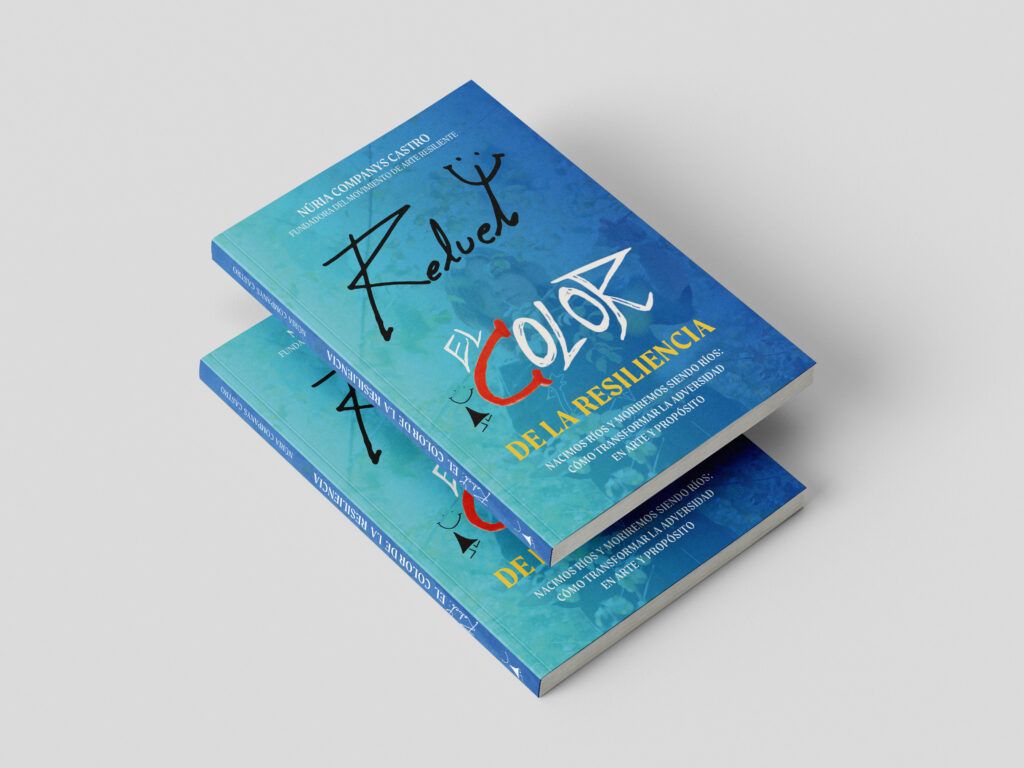
The personal transformation book has a personal step-by-step methodology to achieve connection with purpose and contribute to rediscovery.